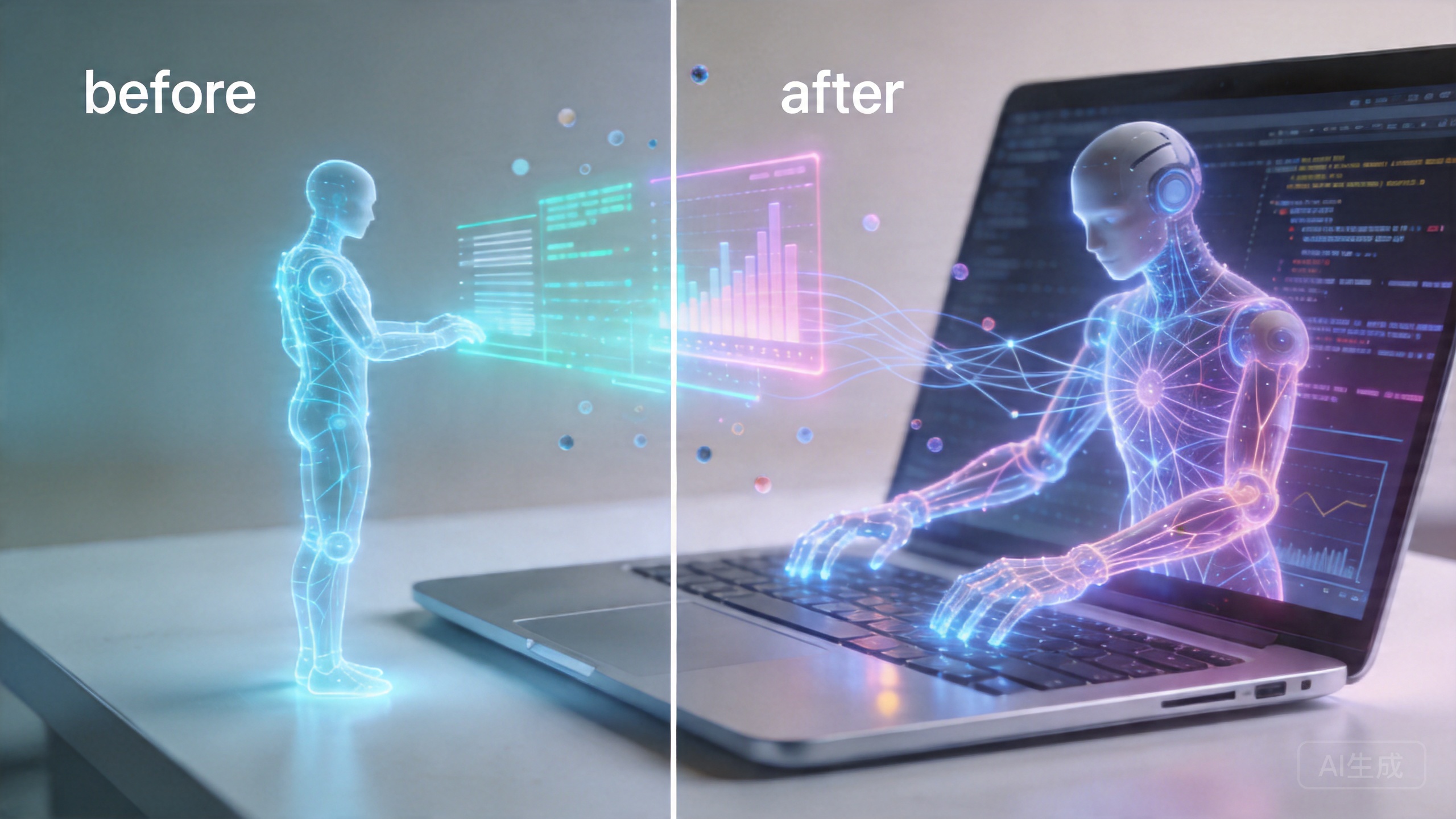
Salesforce Rolls Out a New Slackbot AI Agent — What It Means for the Future of Work
Salesforce Rolls Out a New Slackbot AI Agent — What It Means for the Future of Work
In March 2026, Salesforce unveiled its most ambitious update to Slack since acquiring the platform, introducing over 30 new AI features that transform Slackbot from a simple chat assistant into a fully context-aware AI agent. The announcement, made by CEO Marc Benioff and Slack’s EVP and General Manager Rob Seaman at an event in San Francisco, signals a decisive escalation in the battle for dominance in the AI-powered workplace — a race that now includes Microsoft with Copilot, Google with Workspace AI, and a growing field of startup challengers.
From Chatbot to AI Teammate: What Slackbot Can Do Now
The upgraded Slackbot represents a fundamental shift in how employees interact with workplace software. Instead of responding to one-off queries, the new Slackbot operates as a persistent, context-aware agent that understands your workflow, monitors relevant activities, and takes proactive action. Here are the most significant capabilities:

- Reusable AI-Skills: Users can define specific tasks for Slackbot that, once created, can be reused across different scenarios. A built-in library of pre-configured skills ships with the update, but teams can also build custom skills tailored to their workflows. For example, typing “create a budget” triggers a skill that pulls data from Slack channels, connected apps, and external data sources to generate an actionable plan — then automatically schedules a meeting with the relevant team members.
- Desktop Agent Mode: Slackbot can now operate outside of Slack itself, monitoring desktop activities including deals, conversations, calendar events, and work habits. Based on this broader context, it makes actionable suggestions and drafts follow-ups for critical tasks. This represents a significant expansion beyond the chat interface into a true OS-level assistant.
- MCP Client Integration: Slackbot now functions as a Model Context Protocol (MCP) client, enabling it to connect to and coordinate with outside services and tools. Through integration with Agentforce — Salesforce’s AI agent development platform launched in 2024 — Slackbot can route work or prompt questions to any agent or app within an enterprise, finding the most relevant and efficient path for information without human intervention.
- Meeting Intelligence: The agent can transcribe meetings in real time, produce summaries, and extract action items assigned to specific participants. If you zone out during a critical discussion, you can simply ask Slackbot for a recap — including your personal to-do list from that meeting.
- Native CRM Integration: The update brings CRM capabilities directly into Slack, allowing sales and marketing teams to access customer data, pipeline information, and lead intelligence without leaving the messaging platform.
“We’re not just adding features — we’re rethinking what a workplace can be when AI is woven into every interaction,” said Marc Benioff during the announcement.
The Competitive Landscape: Salesforce vs. Microsoft vs. Google
The Slackbot update arrives at a critical juncture. Microsoft has been aggressively integrating Copilot across its entire Office 365 suite, offering AI-assisted writing, summarization, and data analysis in Word, Excel, Teams, and Outlook. Google, meanwhile, has rolled out Duet AI (now Gemini for Workspace) across Gmail, Docs, Sheets, and Meet. Both competitors have the advantage of controlling the primary productivity suites that most enterprises already use.
Salesforce’s strategy is different. Rather than competing head-to-head with document editing or email, the company is positioning Slack as the agentic operating system for the enterprise — a central hub where AI agents coordinate work across all the other tools. The MCP integration is key here: by enabling Slackbot to talk to any service that supports the Model Context Protocol, Salesforce is building an open ecosystem approach that contrasts with Microsoft’s and Google’s more closed architectures.
The competitive dynamics matter because workplace AI adoption is accelerating. According to industry analysts, the enterprise AI assistant market is projected to exceed $30 billion by 2027. Companies that lock in their AI platform now will benefit from network effects as more tools, integrations, and workflows are built on top of that foundation.
Privacy and Data Security: A Critical Concern
The desktop agent capability — which gives Slackbot visibility into your deals, conversations, calendar, and work habits — raises legitimate privacy questions. Salesforce has stated that privacy protections are built into the design, with granular permission controls that allow users and administrators to adjust what data the agent can access.
For enterprise buyers, this is a make-or-break consideration. Organizations subject to GDPR, HIPAA, or SOC 2 compliance requirements will need to carefully evaluate whether an AI agent with desktop-level access meets their security standards. Salesforce’s reputation as an enterprise vendor with established trust frameworks works in its favor, but the company will need to demonstrate that its privacy controls are as robust as its AI capabilities.
What This Means for Teams Today
The 30 new features will roll out over the coming months, meaning organizations using Slack should prepare for a significant change in how their teams work. Here are practical steps to get ready:
- Map your workflows: Identify repetitive tasks that could be automated with reusable AI-skills. Teams that have already documented their processes will be able to configure Slackbot more quickly.
- Review your integrations: Slackbot’s MCP client capabilities mean that any tool your team uses — Jira, Salesforce CRM, Google Workspace, custom internal APIs — could become accessible through Slack. Audit which integrations matter most and prioritize their configuration.
- Establish AI governance policies: Before deploying a desktop-aware AI agent across your organization, define clear policies around data access, agent permissions, and human oversight. This is especially important for regulated industries.
- Train your team: The shift from a reactive chatbot to a proactive AI agent requires a mental model change. Invest in training so employees understand what Slackbot can do, how to trigger skills, and when to rely on AI suggestions versus making independent decisions.
The Bigger Picture: AI Agents Are Reshaping the Workplace
Salesforce’s Slackbot update is part of a broader industry trend toward agentic AI — systems that don’t just answer questions but take action, coordinate across tools, and operate semi-autonomously. Companies like Anthropic (with Claude’s computer use capabilities), OpenAI (with its operator features), and a wave of AI startups are all racing to build agents that can perform real work.
What makes Salesforce’s approach distinctive is its focus on the enterprise context. Rather than building a general-purpose agent, Slackbot is deeply embedded in the workflows, data, and communication patterns that define how companies actually operate. The integration with Agentforce and Data Cloud means the agent has access to rich, structured business data — customer records, sales pipelines, support tickets — that most consumer-facing AI agents simply don’t have.
This enterprise focus gives Salesforce a meaningful moat. While Microsoft and Google compete on productivity features, Salesforce is competing on business outcomes — the ability to close deals faster, resolve customer issues more quickly, and coordinate cross-functional projects with less friction.
Bottom Line
Salesforce’s new Slackbot AI agent is one of the most significant workplace AI releases of 2026. By combining agentic capabilities, deep enterprise integrations, and an open architecture through MCP, Salesforce has positioned Slack as a potential central nervous system for AI-powered work. The question is no longer whether AI agents will transform the workplace — it’s which platform will become the foundation for that transformation.
For teams already invested in the Salesforce ecosystem, the upgrade is a compelling reason to deepen that investment. For organizations evaluating their AI strategy, Slackbot’s capabilities are worth a close look — even if your primary productivity suite lives elsewhere. The future of work is agentic, and Salesforce just made a very strong move.
What do you think about AI agents in the workplace? Are you ready for Slackbot to monitor your desktop activity? Share your thoughts in the comments below — we’d love to hear from you.
📖 Related: Salesforce Rolls Out New Slackbot AI Agent: A Bold Move in the Workplace AI Wars
📖 Related: Google’s AI Mode Now Opens Links Side-by-Side Without Leaving the Page
📖 Related: Anthropic’s Mythos: The Cybersecurity Model That Could Restore Its Government Standing